The Third Generation: The Step Toward a Larger Whole

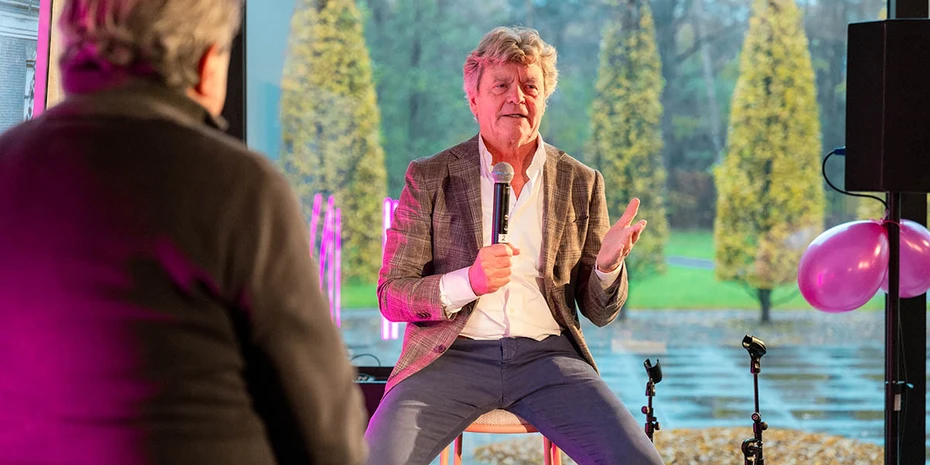
When Marc Wegter joined the company in the late 1980s, he found himself in a well-established organization. At that time, the management team consisted of Nico and Frans (II). The wholesale business was thriving, and the direction was clear. But at the same time, it was a period of significant change that called for new decisions.
Marc joined Wegter after a sales representative for the western Netherlands left the company. At the time, he was living in The Hague and took on the job there. Not long after, he returned to the eastern part of the country and continued to advance within the company. Among other things, he became responsible for logistics, a role in which he got to know the company well from the inside.
Building Together for the Future
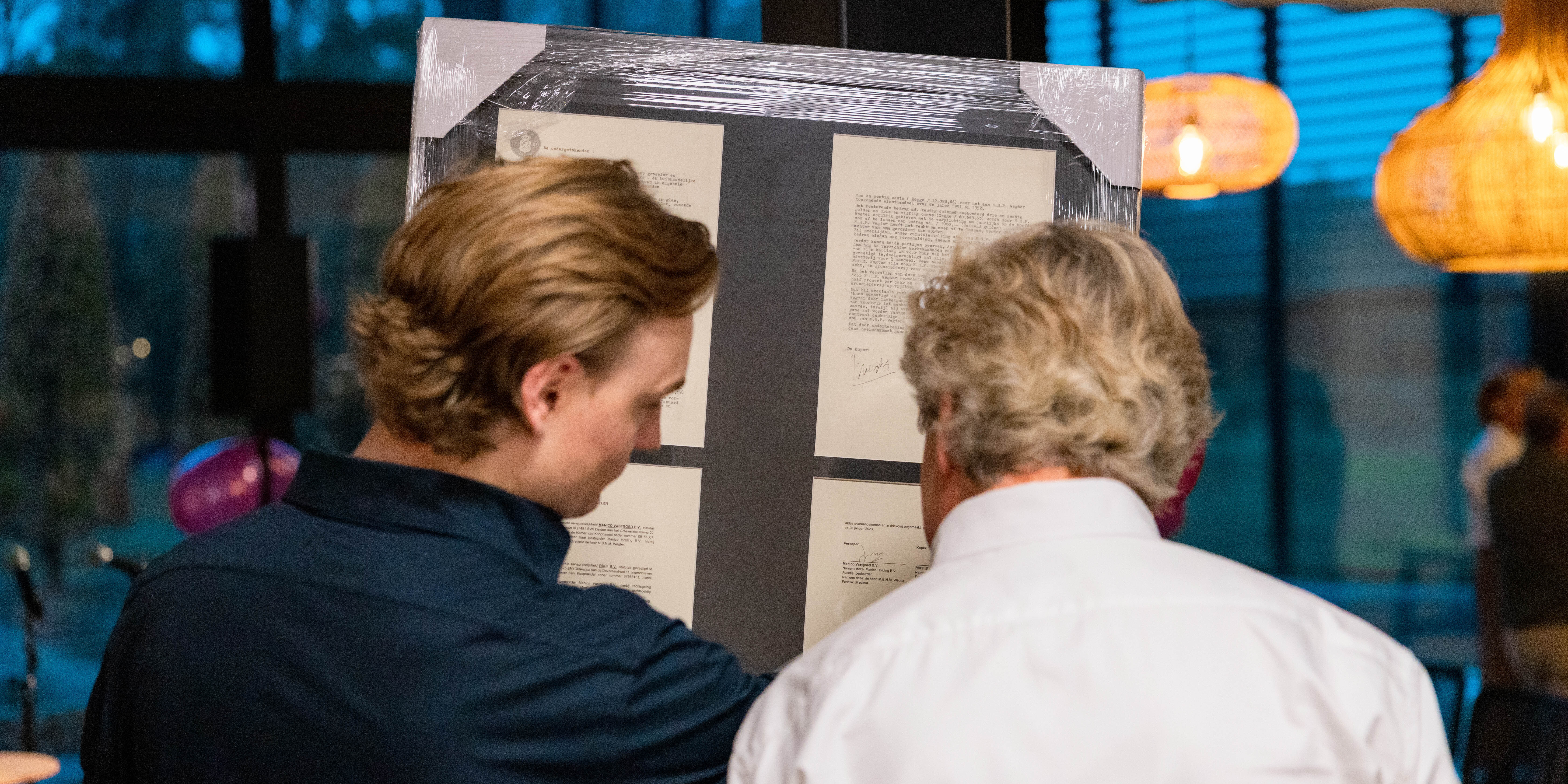
In 1990, Marc and his brother Frans took over the company from their father, Nico. This marked the beginning of a new phase, during which the company was further expanded and professionalized. That same year, Wegter moved to Diamantstraat in Hengelo, where the office and warehouse were brought closer together. That may seem like a practical step, but it proved to be of great value. Communication lines were shortened, communication improved, and the company was able to operate more efficiently. It is these kinds of decisions that characterize this period. Not necessarily large or striking, but certainly decisive for the company’s future development.
Adapting to a Changing Market
The 1990s were marked by change. The market was evolving, customers were growing in size and becoming more professional, and purchasing practices were changing. Wegter adapted to these changes. The focus shifted increasingly from smaller retail customers to larger buyers. In 1995, the company stopped participating in the Jaarbeurs trade show in Utrecht, which had been a staple for the retail sector for many years. This was a logical step, as the company was increasingly focusing on larger clients and other forms of collaboration. It required making choices and looking even further ahead—something that became increasingly important during this period.
The Power of Private Label Brands
One of the most important developments in this phase is the shift toward building the company’s own brands. While the company spent many years primarily trading in products, there is a growing realization that a brand offers something different: greater brand recognition, more control, and long-term independence.
Around 1998, the first major step was taken with the development of Palmer. What began with a Plate and a logo later grew into a brand that has become an integral part of the industry. The Mammoet brand also took shape during this period. By slim responding to market trends and making existing designs more accessible, Wegter was able to further establish its position. These steps demonstrate that the company not only adapts to market trends but also sets its own direction.
Moving on to the next phase
In 2001, the company moved again, this time to a new facility on Platinastraat in Hengelo—a location where the office and warehouse were combined and where there was room for further growth. The years under Marc Wegter’s leadership were marked by professionalization, expansion, and a focus on (proprietary) brands. In 2004, a new phase began, during which Marc and his brother went their separate ways and the company was split up.
Building What Lasts
Under Marc Wegter’s leadership, the company’s role is changing. Whereas it previously focused primarily on distributing other companies’ products and brands, the focus is increasingly shifting toward developing products under its own brands. This gives the company greater direction and its own identity. It is a phase in which the company is growing not only in size, but also in direction and identity. This marks an important milestone in Wegter’s history and lays a foundation upon which the next generation can build.